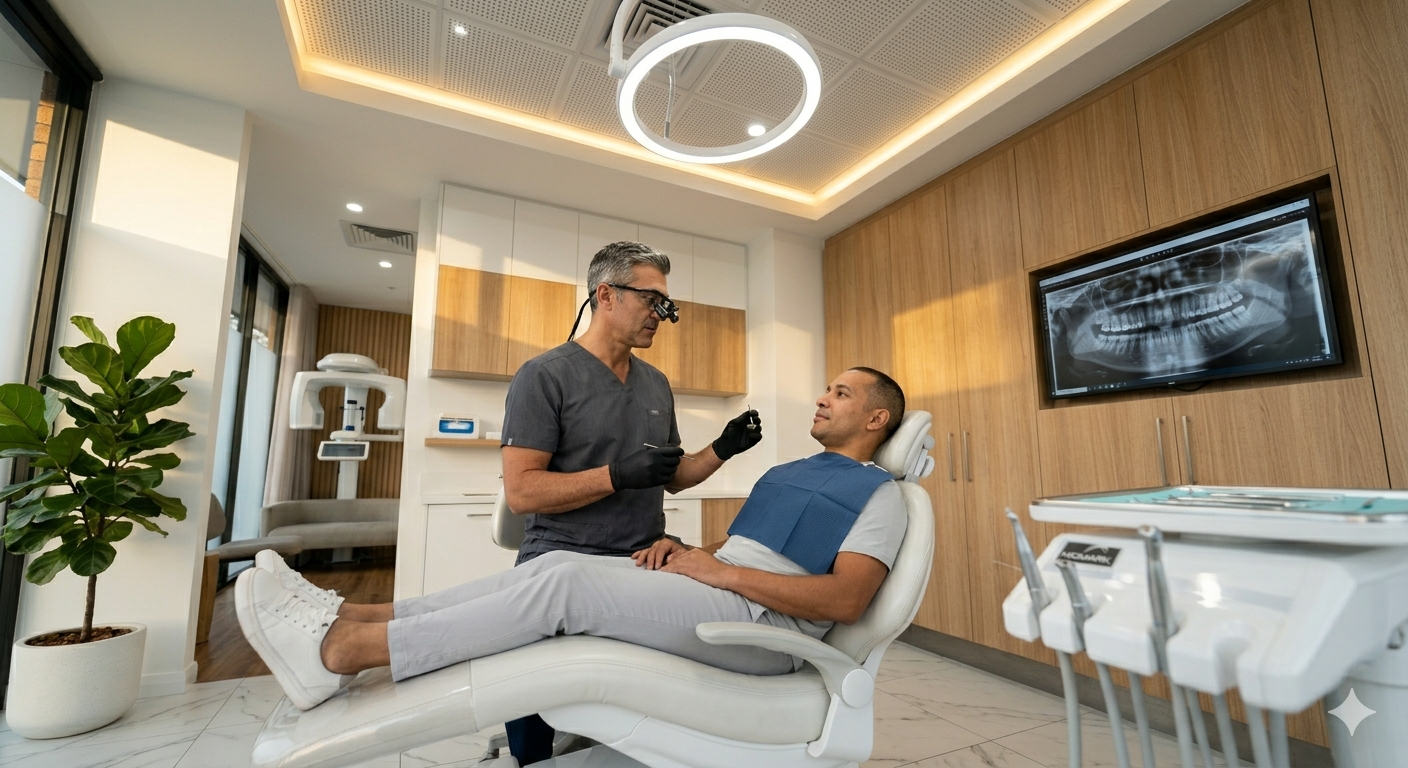
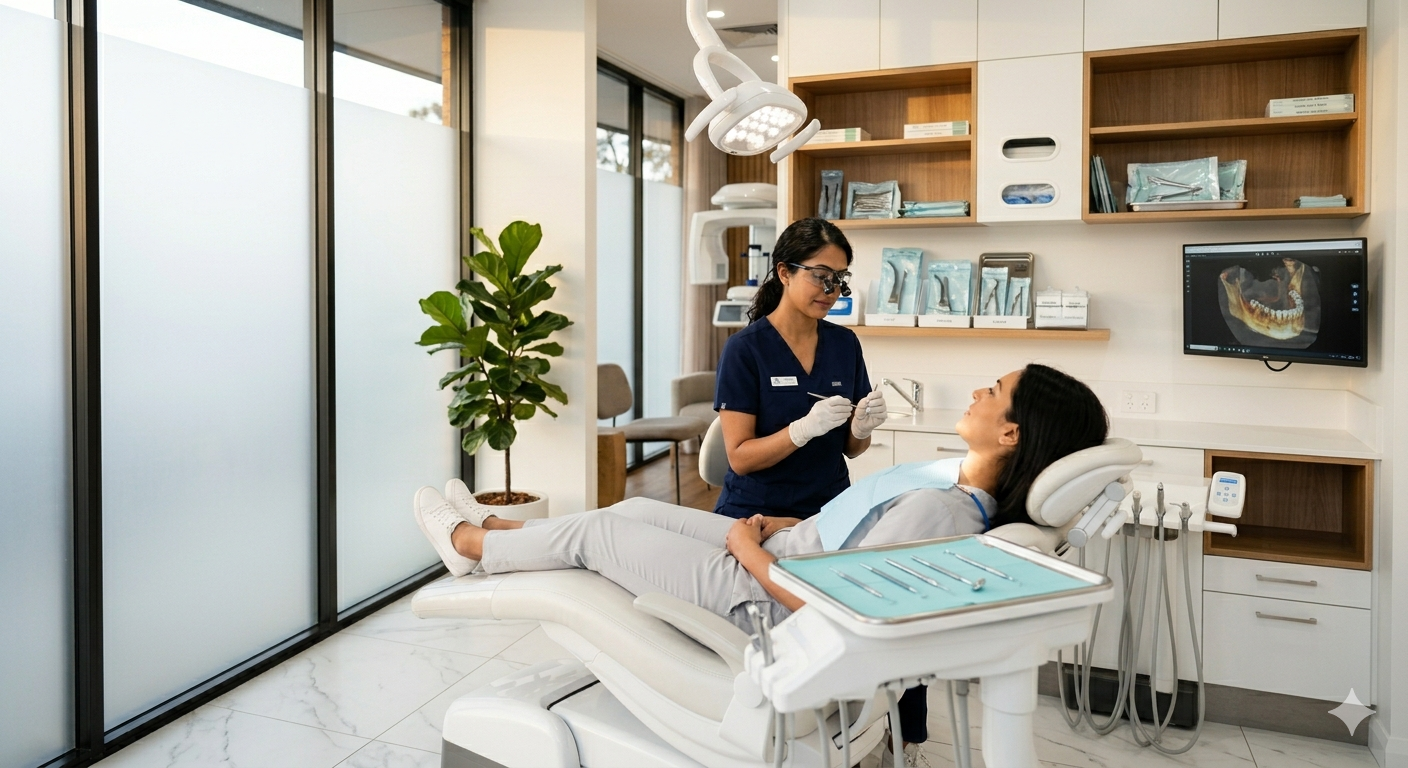
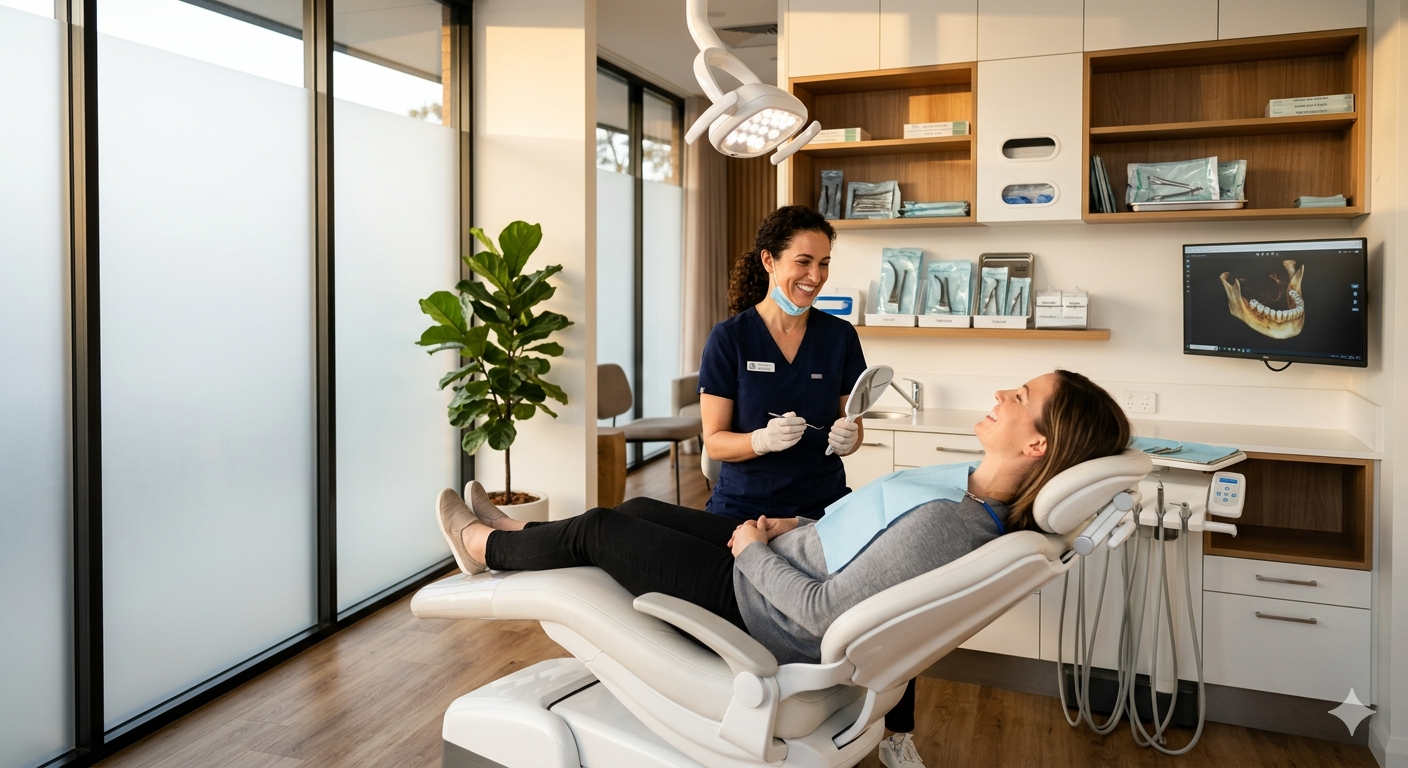
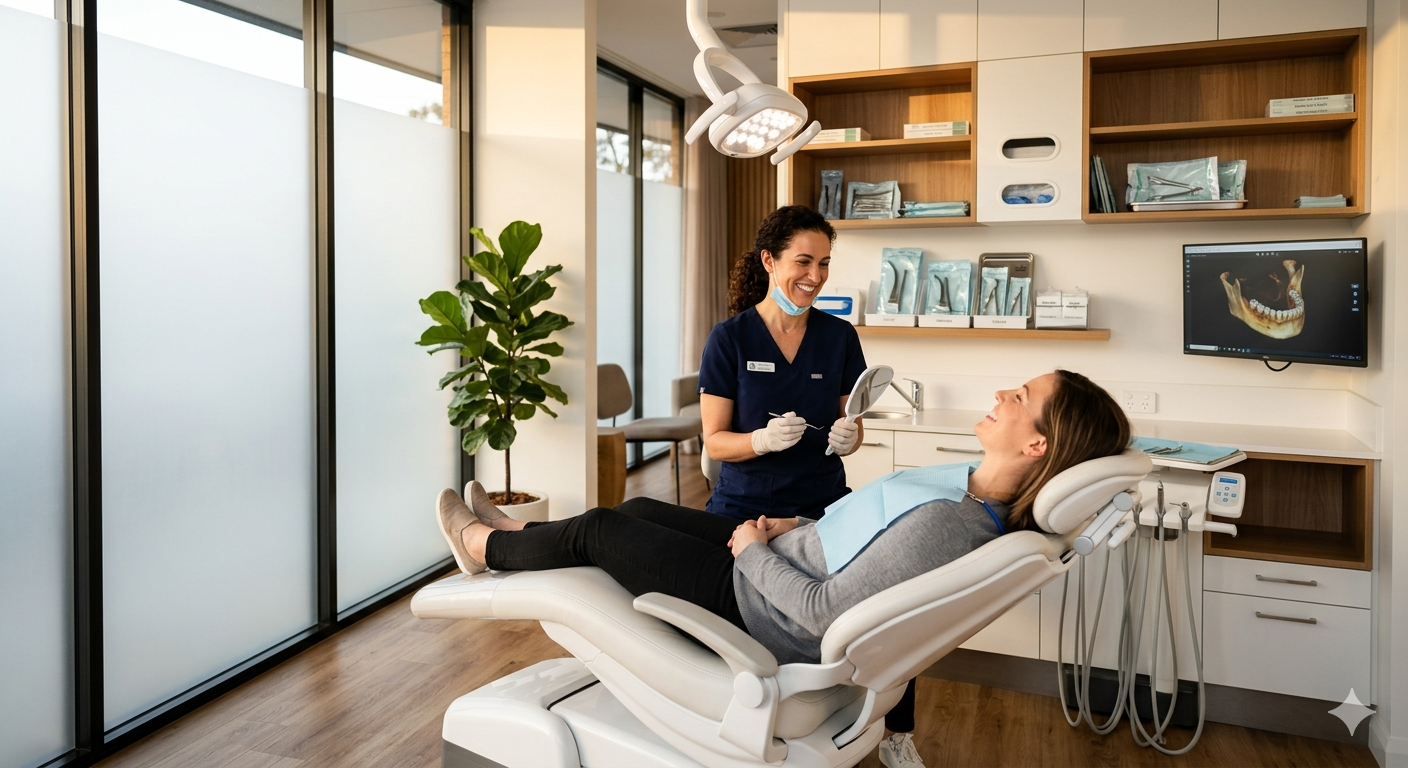
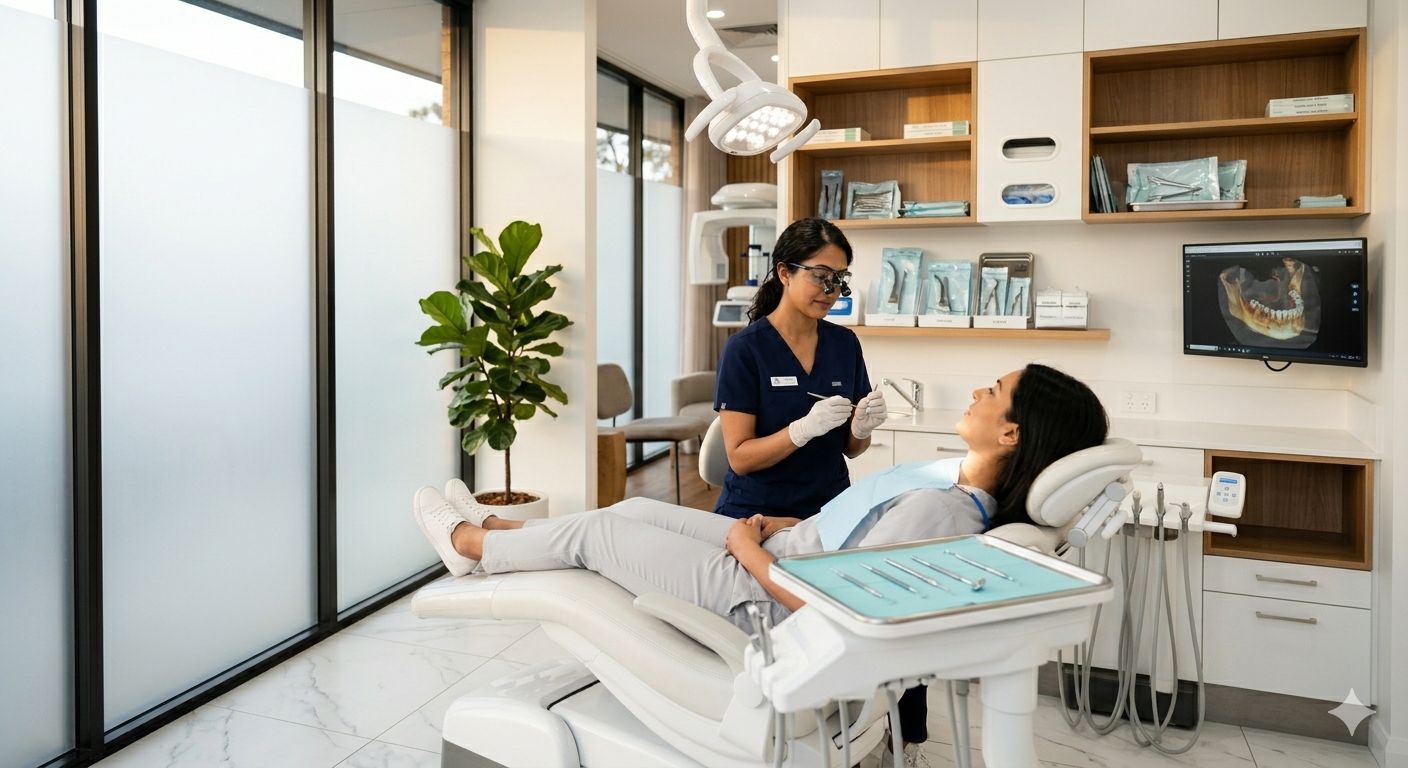
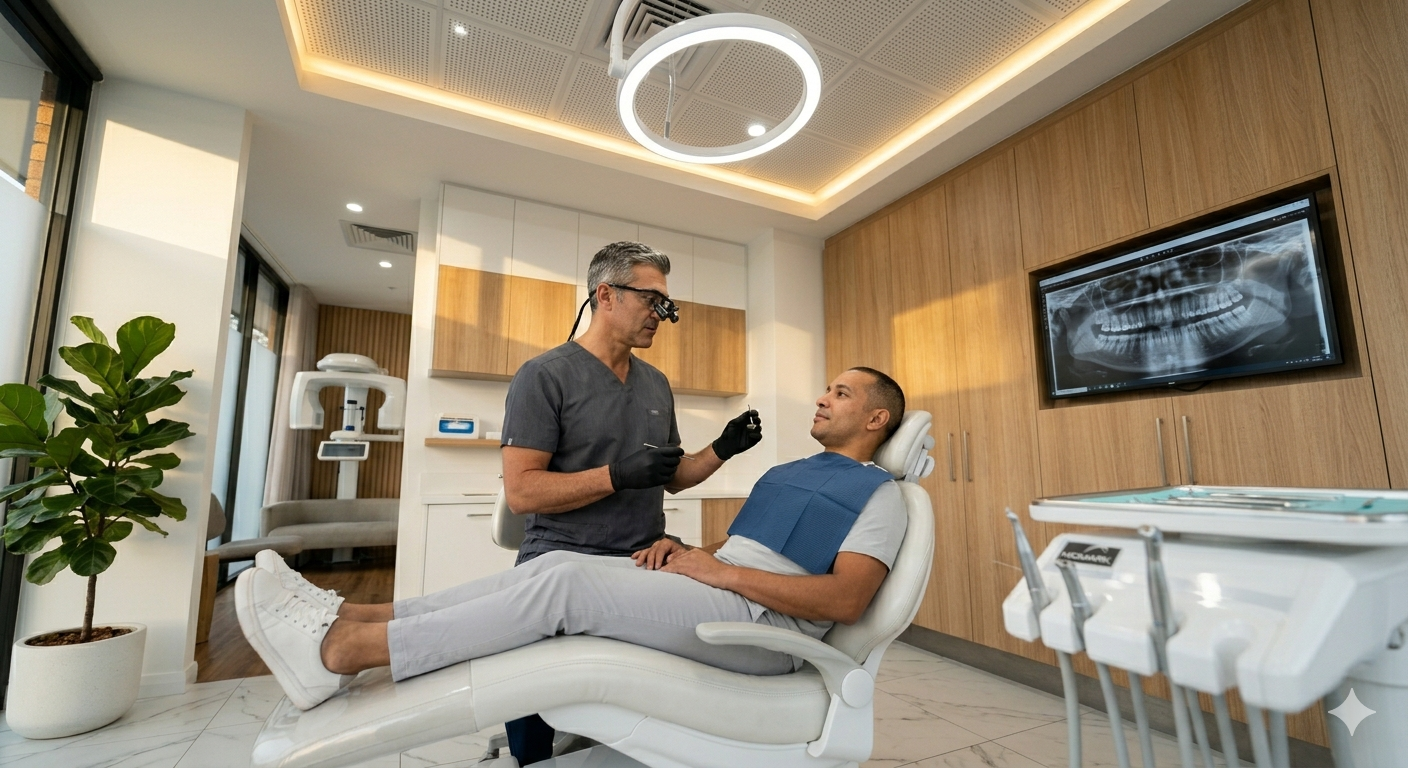
You’ll find a family dentist in Phoenix who treats every age with the same gentle expertise, so your whole household can get care under one roof. A true family dentist offers preventive care, pediatric comfort, restorative options, and senior-focused services tailored to your family’s changing needs.
This article guides you through what makes a family dentist different, how to choose the right one in Phoenix, and which treatments keep smiles healthy from toddlers to grandparents. Expect clear explanations of preventive care, restorative and cosmetic options, comfort-focused technology, and practical steps to start care and build a lasting relationship with a dental team.
What Makes a Family Dentist Unique
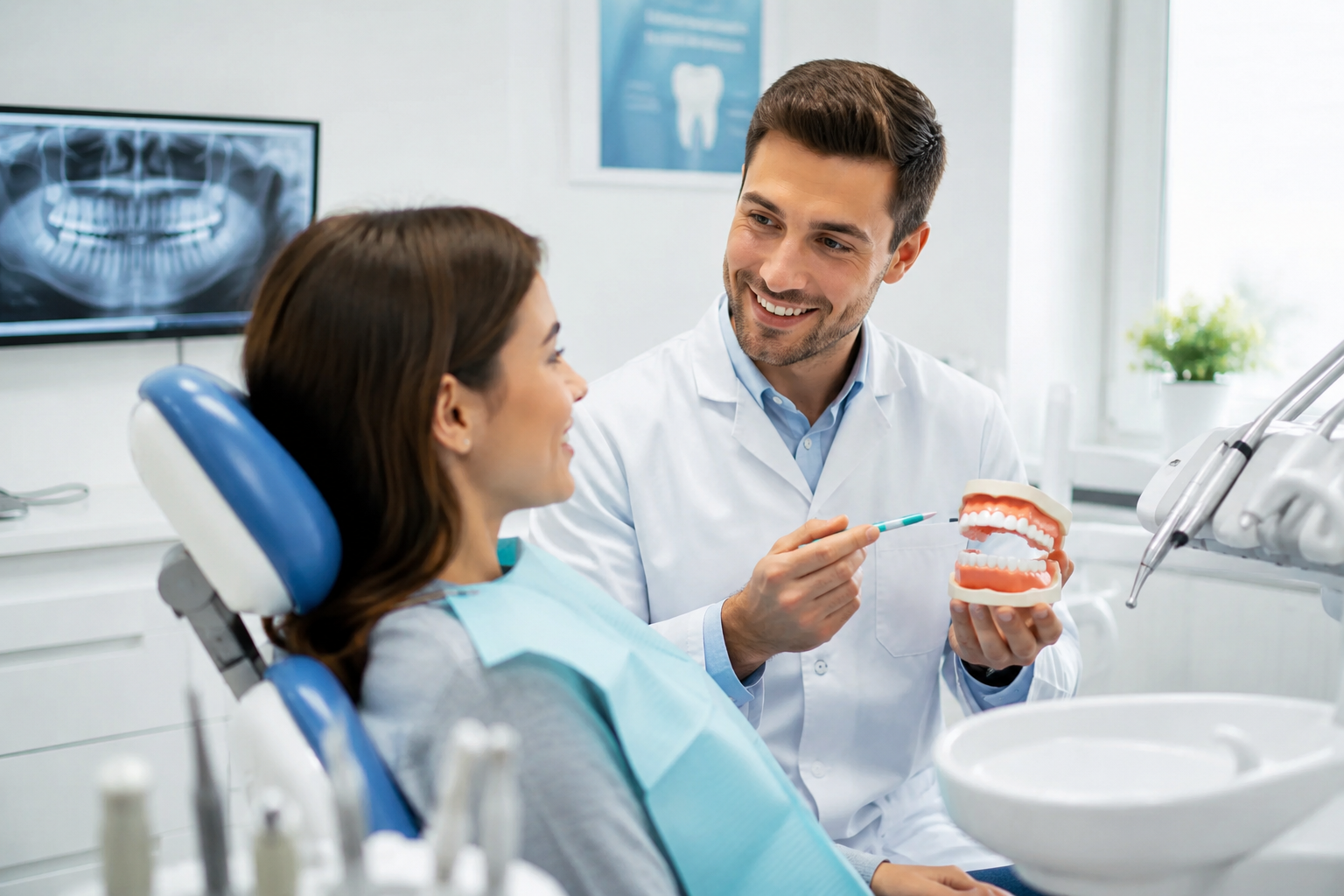
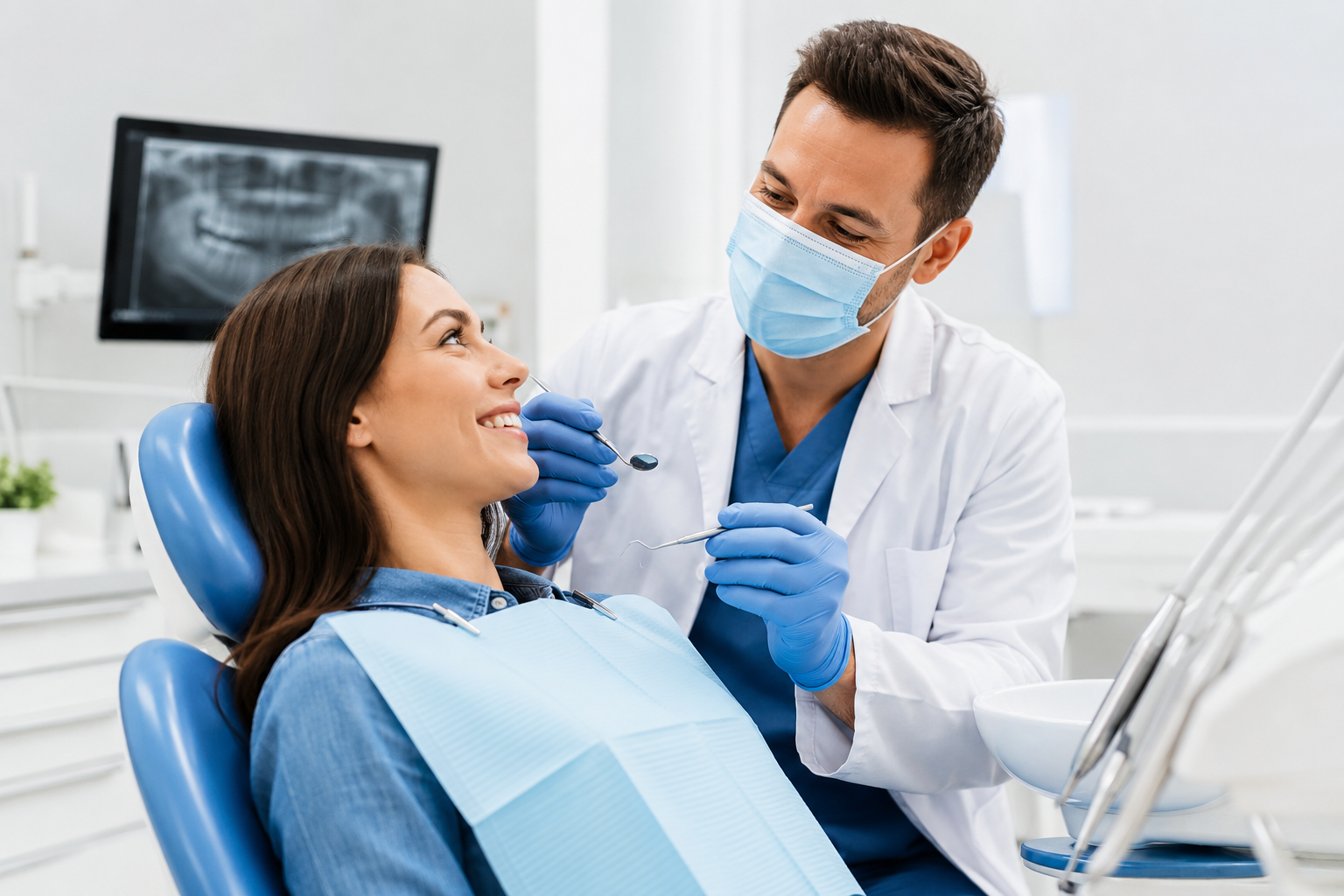
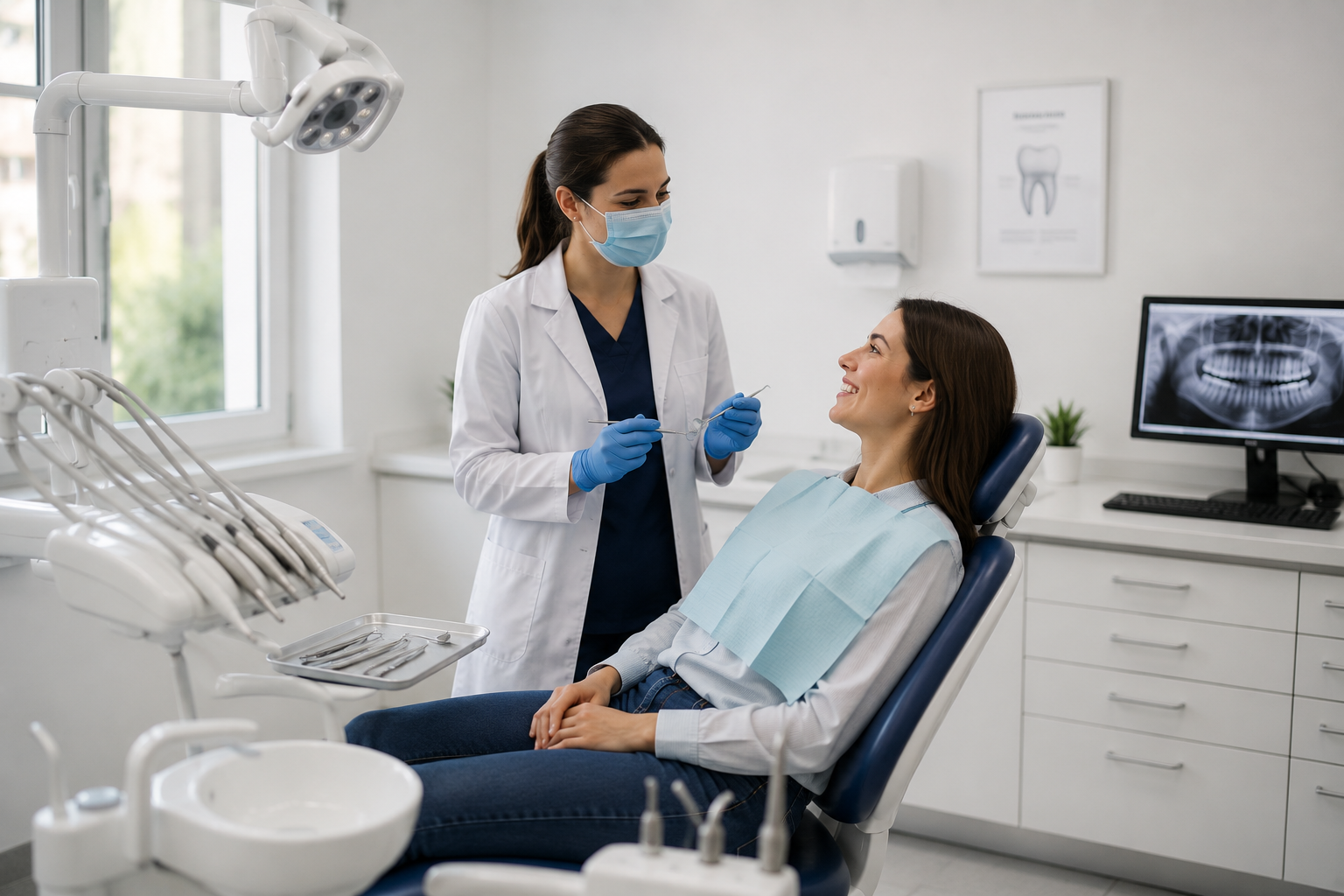
A family dentist combines services, prevention, and patient comfort so every member of a household receives consistent, age-appropriate care. They coordinate treatments across childhood, adolescence, adulthood, and senior years while emphasizing prevention and clear communication.
Comprehensive Care for All Ages
A family dentist provides routine exams, cleanings, and X-rays for children through older adults, so families keep a single dental record and treatment history. They handle pediatric needs like fluoride varnish and sealants, adolescent orthodontic screenings, adult restorative work such as crowns and composite fillings, and geriatric care including denture adjustments and dry mouth management.
They adapt clinical techniques to each age group. For example, they use behavioral guidance and shorter visits for anxious children, and minimally invasive restorations for teens and adults to preserve tooth structure. Preventive services — nutrition counseling, custom mouthguards, and periodontal maintenance — get scheduled based on individual risk rather than a one-size-fits-all calendar.
Continuity matters: when a parent and child see the same dentist, the clinician recognizes genetic risk factors, tracks developmental milestones, and spots patterns like early enamel wear. This integrated view reduces redundant tests and streamlines referrals to specialists when needed.
Personalized Treatment Approaches
A family dentist builds treatment plans around a patient’s dental history, medical conditions, lifestyle, and cosmetic goals. They conduct thorough exams and risk assessments, then discuss options in plain language — for example, comparing a tooth-colored filling vs. a crown with clear pros, cons, costs, and expected lifespan.
They tailor pain control and anxiety management: topical anesthetics, nitrous oxide, or oral sedation depending on age and medical history. For cosmetic concerns, they recommend targeted solutions like whitening for adults or conservative veneers, balancing aesthetics with long-term tooth health.
Insurance and budgeting play a role. The dentist outlines what a plan will likely cost, which procedures are preventive vs. restorative, and how to stage treatments to fit a family’s schedule and finances. Communication focuses on informed choice rather than pressure.
Focus on Long-Term Oral Health
Family dentists prioritize prevention to reduce future disease and costly interventions. They create individualized recall schedules based on caries risk, gum disease status, and medical factors like diabetes or pregnancy.
Education is practical and specific: parents receive guidance on brushing techniques for toddlers, teens learn about sports mouthguards and whitening safety, and seniors get advice for managing root exposure or xerostomia. The practice tracks trends — bite changes, recurring decay — and addresses them early with interceptive orthodontics or night guards for bruxism.
They coordinate care with pediatric dentists, periodontists, or oral surgeons when a condition requires specialty treatment, ensuring follow-through and shared records. This long-term stewardship helps preserve natural teeth, maintain oral function, and support overall health across decades.
Choosing the Right Dentist in Phoenix
Look for a dentist who combines proven skills, a patient-centered practice, and a welcoming office so families feel confident about routine care and unexpected problems. Prioritize clear communication, evidence-based treatments, and a team that makes visits easier for children and adults.
Evaluating Credentials and Experience
Check board certifications, state licensure, and continuing education credits to confirm clinical competence. Verify the dentist’s Arizona dental license on the Arizona State Board of Dental Examiners website and note any specialty registrations for pediatric, orthodontic, or implant care.
Review years in practice and specific procedural experience for services your family needs. Ask how many crowns, root canals, or children’s sealants they perform annually, and request before-and-after photos or patient case summaries.
Look for membership in professional organizations such as the American Dental Association (ADA) or Academy of General Dentistry (AGD). Those memberships indicate commitment to current standards and ongoing training.
Consider patient reviews and ratings with attention to recurring themes: punctuality, pain management, and how well the dentist explains options. Focus on recent reviews within the last 12–24 months for the most relevant picture of current care.
Understanding Practice Values
Identify a practice that prioritizes preventive care and transparent pricing. Ask whether the office emphasizes routine exams, cleanings, fluoride, and sealants over immediate restorative work when appropriate.
Confirm how the practice approaches treatment planning. A patient-centered dentist presents multiple options, clearly explains risks and benefits, and provides written estimates with payment and insurance details.
Evaluate their stance on conservative, evidence-based treatments versus aggressive interventions. Inquire about use of minimally invasive techniques, tooth-preserving approaches, and digital diagnostics like intraoral cameras and CBCT only when needed.
Assess commitment to comfort and accessibility: sedation options, appointment length for anxious patients, weekend hours, and emergency availability influence whether the practice fits busy family schedules. Check billing transparency and in-network insurance status before committing.
Office Environment and Team Atmosphere
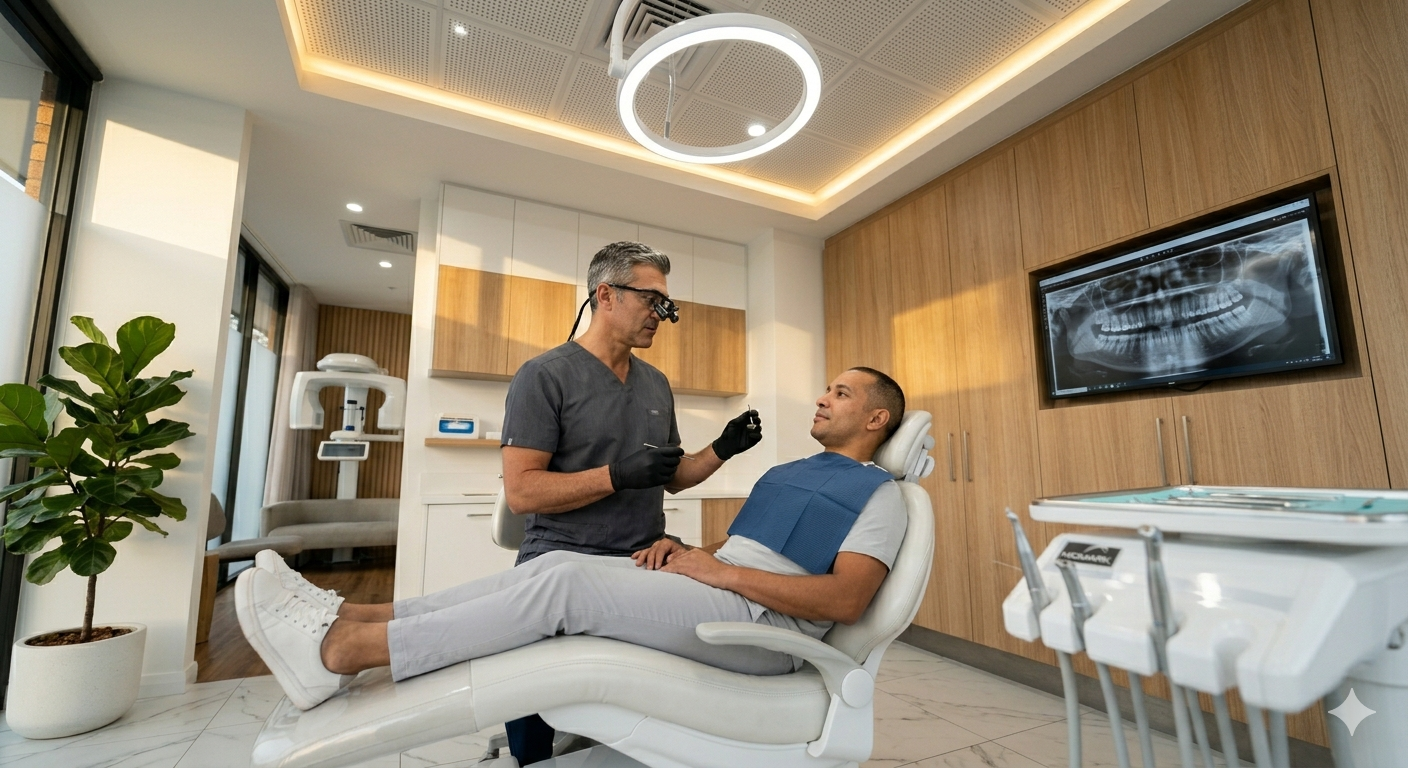
Observe the reception area, exam rooms, and infection-control practices during a tour or first visit. Clean, well-organized spaces and visible sterilization protocols signal attention to patient safety.
Gauge staff friendliness and communication by phone and in person. Staff should explain insurance processes, appointment logistics, and pre-visit instructions clearly and patiently.
Look for child-friendly features if treating young patients: kid-focused waiting areas, distraction tools in treatment rooms, and staff trained in pediatric behavior management. For seniors, check for accessibility features and gentler treatment pacing.
Consider team continuity and qualifications: dental hygienists and assistants with certifications and years of experience contribute to smoother, higher-quality care. A cohesive team reduces repeat explanations and improves follow-through on preventive plans.
Ask targeted questions during a brief visit:
- What sedation options do you offer?
- How do you handle dental emergencies?
- Do hygienists provide oral-health education for kids?
These specifics reveal whether the office atmosphere matches the family’s comfort and clinical needs.
Preventive Dental Services
Preventive care focuses on stopping problems before they start and keeping existing teeth healthy through regular checkups, cleanings, and targeted protective treatments. Patients receive personalized plans that match age, risk factors, and lifestyle to reduce decay and gum disease.
Routine Exams and Cleanings
Routine exams include a visual inspection, periodontal probing, and digital X-rays when indicated to detect cavities, bone loss, or hidden infection. A dental hygienist removes plaque and calculus with ultrasonic and hand instruments, then polishes teeth to reduce surface staining and bacterial retention.
Dentists assess bite, tooth wear, and restorations for early signs of failure and recommend adjustments or monitoring. Visit frequency typically ranges from every three to six months based on gum health, decay risk, medical conditions like diabetes, or a history of frequent cavities.
Preventive visits also include oral cancer screening and documentation of any changes in soft tissues. Clear communication about findings and a written plan help patients understand next steps and expected timelines for follow-up care.
Education on Home Oral Hygiene
Dental staff teach practical brushing and flossing techniques tailored to each patient’s mouth, restorations, and dexterity. For example, people with braces learn interdental brushes; those with implants get special flossing methods to protect the soft tissue seal.
Clinicians recommend toothpaste, fluoride products, and electric versus manual brushes based on sensitivity, enamel wear, and staining. They set realistic routines—such as two minutes twice daily plus nightly interdental cleaning—and demonstrate using a mirror so patients can replicate technique at home.
Care plans include dietary counseling focused on reducing fermentable carbohydrate exposure and timing of snacks to lower decay risk. Staff document progress at follow-ups and adjust recommendations if plaque control or gum inflammation persists.
Sealants and Fluoride Treatments
Pit-and-fissure sealants bond a thin resin to chewing surfaces of molars to block bacteria and food from deep grooves. Dentist applies sealants quickly after cleaning; they last several years and get inspected at each exam for wear or reapplication.
Topical fluoride varnish or gels strengthen enamel and reverse early decay by enhancing remineralization. Application takes minutes and is especially beneficial for children, teens, and adults with dry mouth, high cavity rates, or exposed root surfaces.
Providers combine risk assessment with selective use of sealants and fluoride—this targeted approach maximizes protection while avoiding unnecessary treatments. Patients receive clear instructions on post-treatment care and expected longevity so they can plan routine maintenance.
Restorative and Cosmetic Solutions
Many families want repairs that look natural, last long, and keep day-to-day comfort in mind. Treatments restore chewing function, protect teeth from further damage, and improve smiling confidence with conservative, tooth-preserving options.
Tooth-Colored Fillings
Tooth-colored (composite) fillings match the natural shade of enamel and bond directly to tooth structure. The dentist removes decay, then layers and sculpts resin to rebuild the tooth, curing each layer with a light. This preserves more healthy tooth than traditional amalgam and creates a tight seal that reduces sensitivity and bacterial leakage.
Composites work well for small-to-moderate cavities, cosmetic repairs of chips, and replacing old metal fillings. They are durable for front teeth and most back teeth, though large restorations may need crowns. Patients appreciate the fast, single-visit process and minimal post-op discomfort when placed with proper anesthesia and technique.
Crowns and Bridges
Crowns cap compromised teeth to restore strength, shape, and appearance after large fillings, root canals, or fractures. Dentists can use porcelain-fused-to-metal, all-ceramic, or zirconia crowns; zirconia offers high strength and good aesthetics for posterior teeth, while all-ceramic provides superior translucency for front teeth. The process typically requires two visits: tooth preparation and temporary crown, then final cementation.
Bridges replace one or more missing teeth by anchoring prosthetic teeth to adjacent crowned teeth. A fixed bridge restores chewing function and prevents drift of neighboring teeth. For patients seeking alternatives, implant-supported crowns or bridges offer greater long-term bone preservation and independence from adjacent teeth.
Professional Teeth Whitening
In-office whitening uses concentrated peroxide gels and protective barriers to lift deep stains in a single 45–90 minute session. Dentists evaluate enamel health and sensitivity first, then select a safe whitening strength and monitor results to control comfort. Professional whitening yields faster, more predictable shade changes than over-the-counter products.
Take-home trays made from precise dental impressions allow patients to continue whitening under supervision. These custom trays deliver even results with lower peroxide concentrations, reducing tooth and gum irritation. Dentists advise avoiding staining foods and touch-up treatments every 6–12 months to maintain brightness, and they warn that whitening does not change the color of crowns or veneers.
Caring for Young Smiles
Gentle, consistent care builds healthy teeth and confident kids. Emphasis lies on comfort during visits, daily brushing and flossing routines, and timely orthodontic checks to catch problems early.
Gentle Approach for Children
The dental team uses child-friendly language and a step-by-step routine to reduce fear. They begin with a short talk, a quick mirror check, and then introduce tools slowly so the child feels in control.
Nitrous oxide and flavored polish options help anxious kids relax without full sedation. Staff trained in pediatric behavior guidance offer positive reinforcement, distraction techniques, and brief breaks during cleanings.
Parents receive specific tips for preparing a child: schedule appointments after naps, bring a favorite toy, and practice a “sit and count” game at home to mimic the dental chair experience. The office keeps visits under 30 minutes for toddlers and offers longer time slots for new patients.
Teaching Kids Healthy Habits
Dental hygienists demonstrate brushing with a timer and a soft-bristled brush, recommending pea-sized fluoride toothpaste for ages 3–6. For younger children, an adult should brush twice daily and floss once teeth touch.
Offer a simple routine chart to track morning and bedtime brushing, and use rewards like stickers rather than sweets. Limit juice and sugary snacks; choose whole fruits, water, and plain milk instead.
Parents should bring children for preventive visits every six months and ask about fluoride varnish and dental sealants. Staff can show video tutorials or use a mirror-and-model demonstration so parents leave knowing exactly how to brush and floss for their child’s mouth.
Early Orthodontic Assessments
A first orthodontic evaluation often occurs by age 7 to spot crowding, crossbites, or abnormal jaw growth. Early detection allows less invasive strategies like space maintainers or guided growth appliances.
The dentist examines bite relationships, tooth eruption patterns, and facial symmetry, using photos and X-rays only when necessary. If an orthodontic issue appears likely, the practice outlines timing and treatment options, from observation to early interceptive care.
Parents receive clear, written next-step recommendations, expected timelines, and estimated costs. The goal is to intervene only when it improves long-term function or avoids more complex treatment later.
Comfort and Advanced Technology
The practice blends patient comfort with modern tools to make visits faster, gentler, and more predictable. Patients find clear explanations, fewer surprises, and equipment that reduces discomfort during exams and treatments.
Modern Equipment and Techniques
They use intraoral cameras to show close-up images of teeth and gums, so patients see exactly what the dentist sees. This helps explain cavities, cracks, and restoration needs without vague descriptions.
For restorative work, the office offers same-day CEREC crowns made from strong ceramic in a single visit, avoiding temporary crowns and second appointments. Laser dentistry treats soft-tissue issues with less bleeding and faster healing, often reducing the need for sutures.
Preventive care includes ultrasonic scalers that remove plaque and tartar more efficiently than hand scaling alone. Nitrous oxide and topical anesthetics make procedures like fillings and extractions more comfortable for anxious or sensitive patients.
Minimizing Anxiety in the Dental Chair
Staff follow proven comfort protocols: a calm greeting, an exam chair adjusted for optimal support, and scheduled check-ins during treatment. They ask about past dental experiences and tailor approaches—pausing when needed, offering breaks, and using clear step-by-step explanations.
For highly anxious patients, the practice provides nitrous oxide (laughing gas), oral sedatives prescribed and monitored, and referrals for IV sedation when medically appropriate. They also use noise-cancelling headphones and adjustable overhead lights to create a less clinical atmosphere.
Children benefit from behavior guidance techniques and positive reinforcement. Staff encourage parents to model calm behavior and explain procedures in simple language, helping kids build trust and good dental habits early.
Digital X-Rays and Paperless Records
Digital radiography reduces radiation exposure by up to 80–90% compared with traditional film. Images appear instantly on chairside monitors, allowing the dentist to point out concerns and plan treatment during the same visit.
Paperless records store treatment notes, images, and consent forms in an encrypted system that streamlines scheduling and insurance claims. This reduces lost paperwork and speeds up check-ins, improving continuity of care between hygienists and dentists.
Patients can receive emailed treatment plans, before-and-after photos, and secure online billing statements. The combination of instant imaging and electronic records shortens appointment times and makes follow-up communication clearer and faster.
Supporting the Needs of Seniors
This section highlights practical care strategies for older adults, focusing on gum disease prevention, easier daily hygiene, and reliable tooth-replacement options that restore chewing, speech, and confidence.
Managing Gum Health
Gum disease risk increases with age due to thinning tissues, medications that reduce saliva, and diabetes. Dentists recommend professional cleanings every 3–6 months for seniors with periodontal pockets or a history of periodontitis, and yearly X-rays to monitor bone loss.
Daily habits matter: gentle electric toothbrushes and soft interdental brushes remove plaque without damaging fragile gums. Saliva substitutes or sugar-free lozenges help when medications cause dry mouth; maintaining saliva reduces cavities and irritation.
Dentists may use localized antibiotic gels, scaling and root planing, or periodic antimicrobial rinses to control infection. For advanced cases, referral to a periodontist for regenerative procedures or guided tissue regeneration can preserve remaining bone and tooth support.
Solutions for Missing Teeth
Missing teeth affect nutrition and speech; seniors benefit from stable, easy-to-manage options tailored to health and budget. Removable partial dentures can replace several teeth with minimal surgery, while complete dentures restore full arches when all teeth are lost.
Dental implants offer the most stable long-term solution and help prevent jawbone resorption. Options include single implants, implant-supported bridges, or implant-retained overdentures; clinicians evaluate bone volume, medical history, and healing capacity before recommending implants.
For medically complex patients, implant-retained overdentures provide improved chewing with fewer implants and easier maintenance. Dentists explain expected timelines, success rates for older adults, and simple maintenance steps like nightly denture care and periodic prosthesis adjustments to keep fit and comfort.
How to Get Started with a New Dentist
New patients should expect a clear intake process, a thorough exam and X-rays if needed, and a discussion of treatment priorities and costs. Bringing records, insurance details, and a list of medications speeds check-in and helps the team create a practical care plan.
Preparing for Your First Appointment
Patients should arrive 10–15 minutes early to complete forms or upload them online if the practice offers that option. They should bring a photo ID, insurance card, and a list of current medications and medical conditions.
If switching dentists, request recent dental records and X-rays from the previous office and bring or send them before the visit. This prevents duplicate X-rays and lets the dentist review past treatments and restorative work.
Wear comfortable clothing and note any dental anxiety so the office can offer comfort measures such as nitrous oxide, breaks during treatment, or a quiet room. Plan for roughly 45–60 minutes for the initial visit, longer if comprehensive imaging or cleaning is scheduled.
Questions to Ask Your Dental Team
Ask about the dentist’s experience with family dentistry and any pediatric or geriatric care if applicable. Specific questions like “How do you handle dental anxiety?” and “What are your fluoride and sealant recommendations?” provide practical guidance.
Clarify insurance and payment options: ask which plans the practice accepts, whether they file claims, and if payment plans or CareCredit are available. Request cost estimates for common services such as cleanings, fillings, crowns, and emergency visits.
Confirm clinic logistics: office hours, after-hours emergency contact, appointment cancellation policy, and whether the practice offers same-day appointments or sedation options. Asking about sterilization protocols and technology — digital X-rays, intraoral cameras, or laser treatment — helps patients understand the quality of care.
Building Lifelong Relationships in the Community
A family dentist in Phoenix, AZ focuses on more than teeth; they build trust over years. Regular visits create familiarity, which reduces anxiety for children and adults alike.
They emphasize preventive care and clear communication. Patients learn simple daily habits and understand treatment options without jargon.
Community involvement keeps care local and accessible. Participation in school screenings, health fairs, and senior center visits shows commitment and helps identify needs early.
Flexible scheduling and multiple generations treated under one roof make continuity easy. Parents appreciate coordinated care for kids and elders, and long-term records help spot trends before they become problems.
Friendly staff and a calm office environment support relationship-building. Small touches — reminder calls, patient education materials, and follow-up after procedures — reinforce that the practice cares.
Benefits of lifelong dental relationships:
- Consistent preventive care that reduces emergencies
- Early detection of issues through ongoing records
- Personalized care plans that evolve with life stages
They welcome questions and encourage readers to schedule a consultation to discuss family needs. A brief call or visit often clears concerns and starts a steady, trusting relationship.
Frequently Asked Questions
This section answers practical questions about choosing and using a family dentist in Phoenix, covering provider differences, child-friendly care, reading reviews, typical costs and low-cost options, emergency availability, and daily preventive steps.
What’s the difference between a family dentist and a general dentist, and which one is right for my family?
A family dentist provides care for patients of all ages — infants through seniors — often offering pediatric, adult restorative, and preventive services in the same office.
A general dentist may focus primarily on adult care and refer out for pediatric or specialized treatments.
Choose a family dentist if the household prefers one convenient provider who manages growth, routine care, and common treatments across generations.
Select a general dentist when you need a provider who focuses on adult restorative work and you already have pediatric care arranged elsewhere.
How can I find a dentist who’s great with kids and helps anxious patients feel comfortable?
Look for explicit pediatric training, child-friendly office design, and staff experienced in behavioral techniques like tell-show-do.
Read bios for mention of sedation options (nitrous oxide, oral sedatives) and patient comfort protocols.
Call and ask how the practice handles first visits for children and anxious adults; a warm welcome and clear explanation of procedures show they prioritize comfort.
Schedule a short meet-and-greet before treatment to see how staff interact with your child or how the office manages anxiety.
What should I look for when choosing a new dentist based on reviews and recommendations?
Prioritize recent reviews that mention clinician communication, pain management, appointment availability, and how the office handles insurance and billing.
Look for patterns: many mentions of the same strengths or problems matter more than isolated comments.
Ask family, friends, or local parenting groups for specific experiences with exam thoroughness and follow-up care.
Confirm credentials and memberships (ADA, local dental societies) listed in profiles or the practice website to verify professional standards.
How much do common dental services cost, and what are my options if I need affordable care?
Typical fee ranges in Phoenix: routine exam and cleaning $80–$200, dental X-rays $25–$150, fillings $150–$400 per tooth, crowns $800–$2,000, root canals $600–$1,500, extractions $150–$500.
Costs vary by complexity, materials used, and whether the practice accepts specific insurers.
Affordable options include in-network insurance plans, dental savings plans, sliding-fee schedules, financing (CareCredit or in-office payment plans), and community clinics that offer income-based fees.
Ask the front desk for an itemized estimate before treatment and whether pre-authorization is needed for major work.
Do you offer same-day or emergency appointments for toothaches, broken teeth, or sudden dental pain?
Many family dental offices in Phoenix reserve same-day slots for true emergencies such as severe pain, uncontrolled bleeding, or knocked-out teeth.
Services may include exams, temporary restorations, pain control, and urgent extractions when necessary.
Call the practice immediately; the front desk can triage by phone and advise on immediate steps (cold compress, avoiding chewing on the area, saving tooth fragments in milk).
Confirm emergency hours and after-hours contact detail before an urgent situation arises.
What preventive care should my family be doing at home between regular checkups and cleanings?
Brush twice daily with a fluoride toothpaste for two minutes and floss once daily to remove plaque where a brush can’t reach.
For children, supervise brushing until they can tie knots and handle a toothbrush confidently, usually around age 7–8.
Limit sugary snacks and acidic drinks, and encourage water after meals to reduce cavity risk.
Use fluoride rinses or prescription-strength fluoride if recommended by the dentist, and schedule checkups every six months or as advised for individualized risk levels.