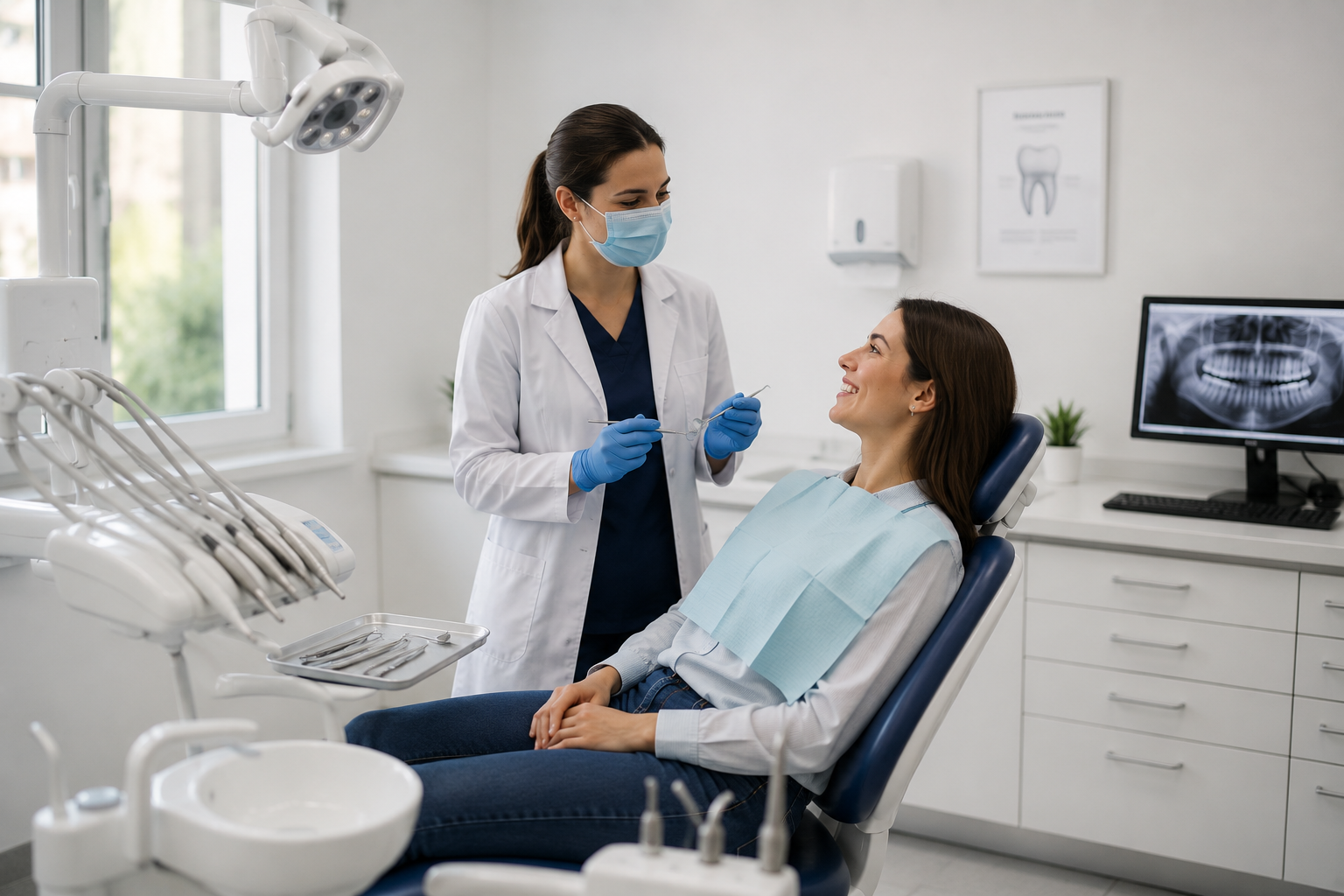
You notice changes in your gums and wonder where to turn—this post guides you through periodontics services in Phoenix so you can make informed choices about gum health and treatment. If you want clear options for preventing gum disease, getting advanced care, or restoring a healthier smile, a Phoenix periodontist can provide personalized, modern solutions tailored to your needs.
Expect explanations of how gum disease develops, what a personalized consultation looks like, and which preventive and advanced treatments are available near you. The article also covers restorative services, comfort-focused technology, ongoing maintenance plans, and practical next steps so you can confidently pursue healthier gums.
Understanding Periodontal Health
Periodontal health affects more than just gums; it influences bite stability, tooth longevity, and overall comfort. Maintaining healthy gum tissue and bone prevents infection, tooth loss, and more complex dental treatment later.
What Is Periodontal Disease?
Periodontal disease is an infection of the gums and supporting structures around the teeth caused primarily by bacterial plaque. It begins as gingivitis—red, swollen gums that bleed easily—and can progress to periodontitis when plaque hardens into calculus and bacteria destroy the fibers and bone that hold teeth in place.
Risk factors include smoking, uncontrolled diabetes, genetic susceptibility, certain medications, and inconsistent oral hygiene. Diagnosis relies on a clinical exam: measuring pocket depths, checking for bleeding on probing, assessing gum recession, and taking radiographs to evaluate bone levels.
Treatment intensity matches disease stage. Early gingivitis responds to professional cleaning and improved home care. Moderate to advanced periodontitis may require scaling and root planing, localized antibiotics, or surgical procedures to reduce pockets and regenerate lost tissue.
Signs and Symptoms to Watch For
Common early signs include gums that bleed during brushing or flossing, persistent bad breath, and mild gum redness or swelling. These symptoms often appear before pain, so they can be easy to miss.
As disease advances, patients may notice receding gums, increased tooth mobility, changes in bite, and pockets forming between teeth and gums. Pus around the teeth or a persistent bad taste usually indicates active infection needing prompt attention.
Regular dental checkups help detect subtle changes. Professionals measure pocket depths and compare bone levels over time, enabling early intervention that preserves teeth and reduces the need for complex procedures.
Why Gum Health Matters
Healthy gums anchor teeth and protect the underlying bone. When periodontal disease progresses, it erodes bone and connective tissue, leading to loose teeth and possible tooth loss—conditions that complicate chewing, speech, and restorative options like implants or bridges.
Gum inflammation also links to systemic health concerns. Studies associate untreated periodontitis with poorer blood sugar control in diabetes and increased cardiovascular risk markers. Managing periodontal disease improves oral function and supports overall health.
Preventive steps include twice-daily brushing with a fluoridated toothpaste, daily interdental cleaning (floss or interdental brushes), quitting tobacco, and routine periodontal assessments every 3–12 months as recommended by the dental professional.
Personalized Consultation Process
This step focuses on a comfortable, thorough exam and a treatment plan tailored to the patient’s oral health goals, schedule, and budget. It explains what the patient can expect during the visit and how decisions are made using specific diagnostics and clear cost options.
Initial Evaluation and Patient Comfort
The visit begins with a focused medical and dental history review, including medications, smoking habits, and prior periodontal treatments. A digital chart and patient-provided forms speed the process and ensure nothing important is missed.
Clinicians perform a periodontal charting to measure pocket depths, check gum recession, and note bleeding on probing. They take intraoral photos and, when indicated, a CBCT or periapical X-rays to assess bone levels and root anatomy.
Staff prioritize comfort: topical anesthetic, local anesthesia options, and short, scheduled breaks reduce anxiety during probing or imaging. The team explains each step in plain language and documents any patient sensitivity or gag reflex to adapt the exam.
Customized Treatment Planning
After diagnostics, the dentist or periodontist reviews findings with the patient using photos and scans displayed on a monitor. They outline specific options — scaling and root planing, periodontal maintenance, grafting, or implant-related surgery — and explain expected outcomes for each.
The plan includes a timeline, estimated chair time, and phased appointments if needed to match the patient’s schedule. Cost breakdowns list insurance-covered services, out-of-pocket estimates, and financing or sliding-fee options when available.
Follow-up protocols and home-care instructions appear in writing, specifying brushing technique, interdental tools, and recommended recall intervals. The clinician invites questions and offers contact details for clarifications or to schedule the first treatment visit.
Preventive Gum Care Approaches
Good gum health rests on regular professional care, consistent at-home habits, and lifestyle choices that reduce inflammation and bacterial growth. These elements work together to prevent gingivitis and slow progression of periodontal disease.
Routine Dental Cleanings
Dental hygienists remove plaque and tartar that brushing and flossing cannot reach, typically every 3–6 months depending on risk level. For patients with healthy gums, a six-month cleaning is common; those with a history of periodontitis or heavy plaque buildup may need three- or four-month maintenance visits.
Cleanings often include ultrasonic scaling and hand instrumentation, plus targeted polishing to smooth root surfaces and reduce bacterial reattachment. Hygienists also assess pocket depths, bleeding on probing, and gum recession, documenting changes for the dentist’s review. If pockets exceed 4 mm or bleeding persists, clinicians may recommend deeper periodontal therapy or antibiotic adjuncts.
Insurance often covers preventive cleanings; patients should confirm frequency limits and periodontal maintenance coverage. Scheduling recalls at the time of the visit and receiving personalized reminders increases adherence and reduces the chance of disease recurrence.
At-Home Hygiene Best Practices
Daily mechanical removal of plaque remains the cornerstone of prevention. Patients should brush twice daily with a soft-bristled brush and fluoride toothpaste, using 45–60 seconds per quadrant and a 45-degree angle to the gum line to disrupt the biofilm effectively.
Interdental cleaning matters: flossing once daily or using interdental brushes for wider spaces removes trapped debris and reduces bleeding. Electric toothbrushes with a 2-minute timer and pressure sensors can improve technique and consistency for many people.
Antimicrobial mouthrinses containing chlorhexidine or essential oils can be useful short-term after procedures or for high-risk patients, but should not replace brushing and flossing. If sensitivity or recession occurs, desensitizing toothpaste and a review of technique can prevent further tissue loss.
Nutrition and Lifestyle Considerations
Diet influences oral bacteria and tissue healing. Foods high in refined sugars and frequent snacking feed pathogenic plaque, increasing inflammation; limiting sugary snacks and choosing whole foods lowers risk. Vitamin C, calcium, and omega-3 fatty acids support tissue repair and immune response; clinicians often advise a balanced diet rich in fruits, vegetables, dairy or fortified alternatives, and fatty fish.
Tobacco use markedly worsens gum disease progression and reduces healing after treatment; cessation provides one of the biggest benefits for long-term periodontal health. Stress management also matters because chronic stress can impair immune function and increase inflammatory markers tied to periodontal breakdown.
Alcohol moderation and controlling systemic conditions such as diabetes—through medications, diet, and regular medical care—help stabilize gum health. Periodontal clinicians coordinate with physicians when systemic disease affects treatment planning or healing outcomes.
Advanced Treatment Options in Phoenix
Modern periodontics in Phoenix combines deep-cleaning techniques, laser therapy, and surgical interventions tailored to disease severity and patient comfort. These treatments target bacteria, stop tissue loss, and support long-term oral health with an emphasis on minimally invasive care and predictable outcomes.
Scaling and Root Planing
Scaling and root planing (SRP) is a non-surgical deep-cleaning procedure used to treat moderate periodontal disease. The clinician removes plaque and tartar above and below the gumline, then smooths the tooth roots to discourage bacterial reattachment and promote gum reattachment. Treatment typically occurs over one or two visits under local anesthesia for comfort.
Post-procedure care includes antimicrobial rinses, targeted oral hygiene instruction, and a short antibiotic course only when clinically indicated. Follow-up at 4–12 weeks evaluates pocket depth reduction and healing; many patients see measurable improvement without surgery. In Phoenix, clinicians often pair SRP with localized antiseptics or systemic medications for smokers or patients with systemic risk factors.
Minimally Invasive Laser Therapy
Minimally invasive laser therapy uses focused light energy to remove infected tissue and reduce pocket depths while preserving healthy gum structures. Lasers—such as diode or erbium systems—can disinfect periodontal pockets, cauterize blood vessels to reduce bleeding, and stimulate a more controlled healing response. Treatments are usually performed with topical or local anesthesia and shorter recovery times than traditional surgery.
Patients appreciate reduced swelling and less post-op discomfort. Clinicians may combine laser therapy with regenerative materials like enamel matrix proteins or growth factors to encourage reattachment and bone stabilization. Candidacy depends on pocket depth, bone loss pattern, and overall health; a periodontal exam determines whether laser adjunctive therapy offers measurable benefit.
Surgical Solutions for Severe Cases
Surgical solutions address advanced periodontal disease when non-surgical options cannot halt progression. Common procedures include flap surgery (for access and debridement), bone grafting (to rebuild lost alveolar bone), guided tissue regeneration (using barrier membranes), and soft-tissue grafts (to correct recession and improve root coverage). Surgeons select techniques based on probe depths, radiographic bone levels, and tooth prognosis.
Surgery usually involves local anesthesia and conscious sedation options for patient comfort. Postoperative care focuses on infection control, pain management, and staged follow-ups to monitor graft integration and pocket reduction. In many Phoenix practices, surgeons use microsurgical instruments and biologic agents to improve predictability and shorten recovery, while discussing realistic outcomes and maintenance plans with each patient.
Restorative Services for Healthier Smiles
These treatments restore function, protect teeth after periodontal therapy, and improve the appearance of a smile. They address exposed roots, missing teeth, and the structural needs that follow gum disease treatment.
Crown Lengthening
Crown lengthening removes a small amount of gum and sometimes bone to expose more of a tooth’s crown. This procedure helps when decay or a fracture extends below the gum line, allowing the dentist to place restorations with a proper margin and seal.
Patients usually receive local anesthesia and sometimes sedation for comfort. Recovery takes about one to two weeks for soft tissue healing and up to six weeks if bone reshaping occurred. The clinician evaluates tooth stability, bone levels, and how the new margin will affect adjacent teeth before proceeding.
Post-operative care focuses on gentle brushing, salt rinses, and avoiding hard or sticky foods while tissues heal. The team schedules follow-up visits to check healing and to place the final crown or veneer once the tissues are stable.
Dental Implants After Periodontal Therapy
Dental implants replace missing teeth with a titanium post that integrates with the jawbone, supporting a crown that looks and functions like a natural tooth. After periodontal therapy, implants restore chewing, prevent shifting of adjacent teeth, and stop bone loss in the area.
Before implant placement, the periodontist confirms periodontal health, sufficient bone volume, and controlled inflammation. If bone is insufficient, grafting or sinus lift procedures may be performed first. A typical timeline runs from bone grafting (if needed) to implant placement, then 3–6 months for osseointegration before attaching the final crown.
Care after implant surgery emphasizes infection prevention and gentle oral hygiene. Regular maintenance visits monitor peri-implant tissues and ensure long-term success, with professional cleanings and patient education on flossing and interdental brushes.
Modern Technology and Patient Comfort
The practice combines high-resolution diagnostic tools with patient-centered anesthesia and sedation to reduce discomfort and speed recovery. Advanced imaging pinpoints problems precisely, while tailored anesthesia keeps patients calm and comfortable during procedures.
Digital Imaging and Diagnostics
The clinic uses cone beam computed tomography (CBCT) and intraoral scanners to create 3D images of the jaw, teeth, and soft tissues. CBCT reveals bone volume and nerve locations for implant planning, while intraoral scans capture accurate digital impressions without messy putty.
Digital radiographs cut radiation exposure by up to 70% compared with traditional film and provide instant images for faster decision-making. The team overlays scans with treatment software to simulate implant placement and evaluate periodontal bone loss, enabling conservative, targeted treatments.
Patient records include side-by-side before-and-after visuals and annotated images that explain findings in plain language. These visuals help patients understand the condition, treatment options, and expected outcomes, reducing anxiety and improving informed consent.
Comfort-First Anesthesia Choices
Local anesthetics with buffered solutions reduce injection sting and speed onset, so numbing happens more comfortably. For anxious patients, nitrous oxide (laughing gas) offers rapid relaxation with a clear-headed recovery, allowing patients to drive home after brief observation.
Oral sedatives provide moderate sedation for longer procedures; the clinician customizes doses based on medical history and procedure length. For complex surgery, IV sedation administered by a trained provider delivers deeper sedation with continuous monitoring of blood pressure, oxygen saturation, and heart rate.
The practice follows strict safety protocols: pre-procedure assessment, informed consent, and post-op instructions tailored to sedation level. Staff explain what to expect before, during, and after anesthesia to ease concerns and promote a smooth recovery, and they encourage patients to ask questions about comfort options.
Ongoing Support and Maintenance
Patients receive tailored maintenance plans and education to protect gum health after treatment. Regular professional care and daily home routines work together to keep pockets shallow, implants stable, and inflammation controlled.
Regular Checkups and Monitoring
They schedule periodontal checkups every 3–6 months depending on disease severity, implant status, and healing progress. During visits, the hygienist measures pocket depths, checks bleeding on probing, and records attachment levels to detect early changes.
Clinicians perform professional cleaning with ultrasonic and hand instruments, and they remove subgingival plaque and calculus that brushing cannot reach. For patients with implants, technicians inspect peri-implant tissues and screw stability, and take radiographs when bone level changes are suspected.
Records include pocket charts, photos, and X-rays to compare over time. If inflammation returns or pockets deepen, the team discusses non-surgical retreatment, localized antibiotic therapy, or referral for surgical revision. Patients get reminders for appointments and clear instructions on when to come in sooner if they notice swelling, persistent bleeding, or loosening of teeth or implants.
Education for Long-Term Wellness
Dental professionals teach practical, specific home-care techniques tailored to each mouth. That includes demonstration of modified Bass brushing for 2 minutes twice daily, selection and use of interdental brushes sized to each embrasure, and flossing methods for tight contacts or around implants.
They review product recommendations by name — such as a soft-bristled brush, interdental brushes (sizes 0.6–1.2 mm), and a 0.12% chlorhexidine rinse for short-term use when needed — and explain why each item matters. Patients learn how to monitor signs of recurrence: increased bleeding, bad taste, or changes in gum contour.
Staff provide written care plans and short video links for technique refreshers. They encourage questions and schedule quick check-ins to adjust tools or methods, promoting confidence and consistent daily habits that reduce the chance of future periodontal problems.
Why Choose a Phoenix Periodontist?
Patients find specific advantages when they choose a periodontist in Phoenix: specialized training in gum and implant care, familiarity with regional risk factors like dry climate and diabetes prevalence, and established relationships with local dental teams for smoother treatment planning.
Local Expertise and Community Care
A Phoenix periodontist understands how the Sonoran Desert climate and common local health conditions affect gum health. They recognize that dry air can worsen oral dryness, which increases plaque buildup and gum irritation, and they screen more frequently for diabetes-related periodontal complications.
Many practices offer same-day evaluations for swelling, bleeding gums, and implant concerns, reducing time off work. They also partner with community clinics and outreach programs to provide preventive education in neighborhoods with limited access to specialty care.
Patient comfort often rates high: offices typically use modern sedation options, soft-tissue lasers, and minimally invasive flap techniques to limit pain and speed healing. Staff often speak Spanish and English, improving communication for families across Phoenix.
Coordinated Care With General Dentists
Phoenix periodontists work closely with local general dentists to create seamless treatment plans. They share digital records, 3D scans, and implant prosthetic specifications to ensure crowns and bridges fit precisely and healing timelines align with restorative phases.
Referral pathways are streamlined: many periodontists accept direct electronic referrals and offer co-consult visits so patients meet both specialists on the same day. This reduces repeated imaging and avoids conflicting instructions about medications or home care.
Coordination extends to medical providers when systemic issues like cardiovascular disease or diabetes affect periodontal treatment. Periodontists regularly communicate with physicians to time procedures safely and to implement medical clearances when required.
Taking the Next Step Toward Healthy Gums
Patients who notice bleeding, swelling, or persistent bad breath should schedule an evaluation with a periodontist. A prompt visit helps identify whether symptoms indicate early gum disease or a condition needing more advanced care.
The periodontist will review medical history, perform a gum exam, and often take digital X-rays. They explain findings in plain language and outline treatment options with an emphasis on comfort and predictable results.
Common next steps include non-surgical therapies like deep cleaning (scaling and root planing), antimicrobial treatments, and tailored home-care plans. If needed, minimally invasive surgeries or regenerative procedures restore tissue and support long-term health.
Patients find it helpful to prepare questions before the appointment. Suggested questions:
- What stage of gum disease do I have?
- Which treatments do you recommend and why?
- How should I change my home-care routine?
Costs and scheduling can vary, so the office staff typically discusses insurance, financing, and appointment availability up front. Many practices offer sedation options and modern tools that reduce discomfort and speed healing.
Encourage the patient to call or use online booking for a consultation. A friendly, skilled periodontist can create a clear plan to protect gums and preserve natural teeth.
Frequently Asked Questions
This section answers common concerns about diagnosing gum problems, treatment experiences, surgical and non-surgical options, and how to choose a local specialist. It highlights signs to watch for, what treatments feel like, and practical tips for selecting a trusted periodontist in Phoenix.
How do I know if I need to see a periodontist instead of my general dentist?
A general dentist handles routine cleanings and cavities but will refer patients when periodontal disease is moderate to advanced, when specialized surgery is needed, or when implants are considered. If pockets around teeth measure consistently deeper than 4–5 mm, bleeding is frequent, or teeth become loose, a periodontist should evaluate the situation.
What are the early warning signs of gum disease I shouldn’t ignore?
Early signs include red, swollen, or tender gums, bleeding during brushing or flossing, persistent bad breath, and gums that pull away from teeth. Patients may also notice increased sensitivity or small changes in tooth position; catching these signs early improves treatment outcomes.
What does a deep cleaning (scaling and root planing) feel like, and how long is the recovery?
Scaling and root planing typically involves local anesthesia; patients feel pressure and vibration but minimal pain during the procedure. Mild soreness and sensitivity can last a few days to two weeks; over-the-counter pain relievers and a soft diet help, and follow-up cleanings are often scheduled every 3–4 months initially.
What treatment options are available for gum recession, and can it be prevented from getting worse?
Non-surgical measures include changing brushing technique, using a soft-bristled brush, treating bruxism, and addressing periodontal disease. Surgical options include connective tissue grafts, free gingival grafts, and regenerative procedures; these restore gum tissue and reduce sensitivity. Prevention focuses on good oral hygiene, regular periodontal maintenance, and correcting contributing habits.
If I’m missing teeth, how do dental implants compare to bridges or dentures for comfort and long-term health?
Dental implants replace the tooth root with a titanium post, preserving jawbone and providing stability similar to natural teeth. Bridges and dentures may restore appearance and function but can stress adjacent teeth or require periodic adjustments and relines. Implants usually offer better long-term bone health and comfort, though candidacy depends on bone volume, medical history, and cost considerations.
How can I choose a trusted local periodontist—what should I look for in reviews, credentials, and locations?
Look for board certification, years of periodontal experience, and memberships in professional organizations. Read patient reviews for consistent comments about communication, pain management, and follow-up care. Consider office location, emergency availability, and whether the practice uses modern imaging and sedation options; a consultation visit provides a direct sense of comfort and expertise.